Onimusha Realm Home

Category

Game History & Culture

13 articles

East of Japan, West of Notice: How Onimusha's DNA Quietly Spread Across Asian Action Games

East of Japan, West of Notice: How Onimusha's DNA Quietly Spread Across Asian Action Games

While Western gaming media was busy charting Onimusha's influence on FromSoftware and indie developers, a quieter but equally significant story was playing out in Korean and Chinese game studios. Onimusha's fingerprints are all over a generation of Asian action titles that most US players never encountered — and tracing that lineage reveals something fascinating about how game design crosses cultural borders.

Depth Over Destruction: How Onimusha Taught an Entire Industry to Respect the Player

Depth Over Destruction: How Onimusha Taught an Entire Industry to Respect the Player

Before Devil May Cry made stylish combat a headline feature and Bayonetta turned mechanical depth into a spectator sport, Onimusha was quietly doing the hard work of making players actually think mid-fight. Tracing the lineage from Samanosuke's demon-slaying toolkit to the action games dominating shelves today reveals a direct line of influence most studios have never publicly credited. The combat philosophy Capcom baked into a PS2 launch window title turned out to be the blueprint the whole gen

Borrowed Blades: How Onimusha's Invisible Fingerprints Show Up in Every Modern Samurai Game

Borrowed Blades: How Onimusha's Invisible Fingerprints Show Up in Every Modern Samurai Game

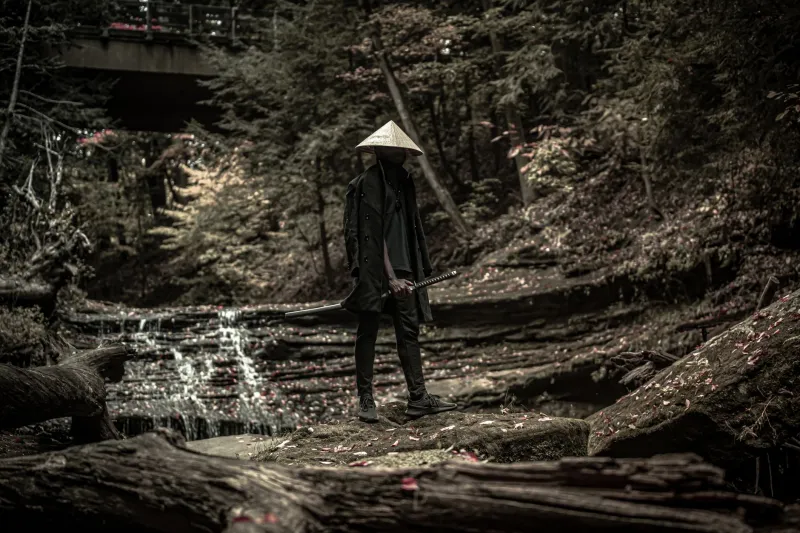
Modern samurai titles like Ghost of Tsushima and Sekiro get most of the credit for defining the genre's current golden age, but dig beneath the surface and you'll find mechanics that trace a direct line back to a 2001 Capcom classic. Onimusha may never get the acknowledgment it deserves from today's developers, but its DNA is everywhere once you know what to look for.

Small Studios, Big Demons: The Indie Games That Onimusha Quietly Inspired

Small Studios, Big Demons: The Indie Games That Onimusha Quietly Inspired

Onimusha never got the blockbuster sequel revival it deserved, but its DNA quietly spread through the indie game scene in ways most players never noticed. From tight combat corridors to soul-harvesting mechanics, a surprising number of smaller studios looked back at Samanosuke's adventure and built something new from its bones. Here's how one PS2 classic became an unlikely blueprint for independent demon slayers.

Hard But Fair: The Forgotten Genius Behind Onimusha's Difficulty Design

Hard But Fair: The Forgotten Genius Behind Onimusha's Difficulty Design

Long before 'git gud' became a gaming mantra, Onimusha was quietly doing something smarter — building challenge curves that pushed players without punishing them into oblivion. It's a design philosophy that holds up remarkably well today, and one that modern developers could genuinely learn from.

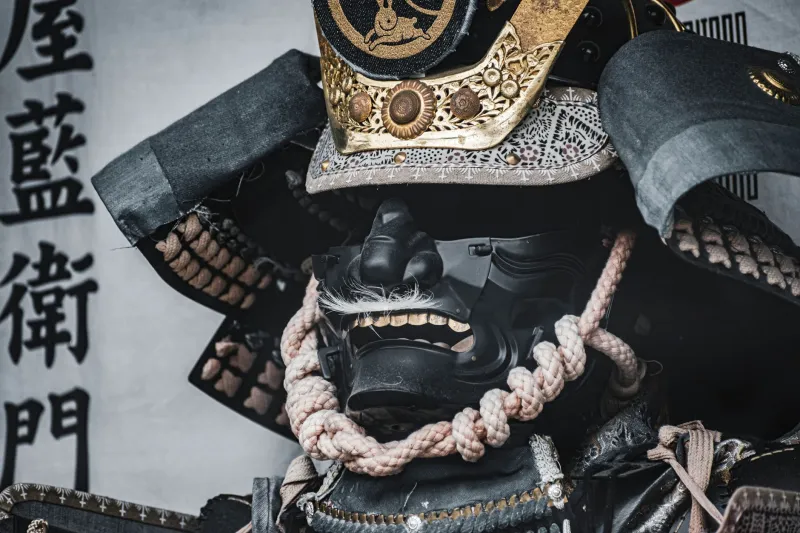
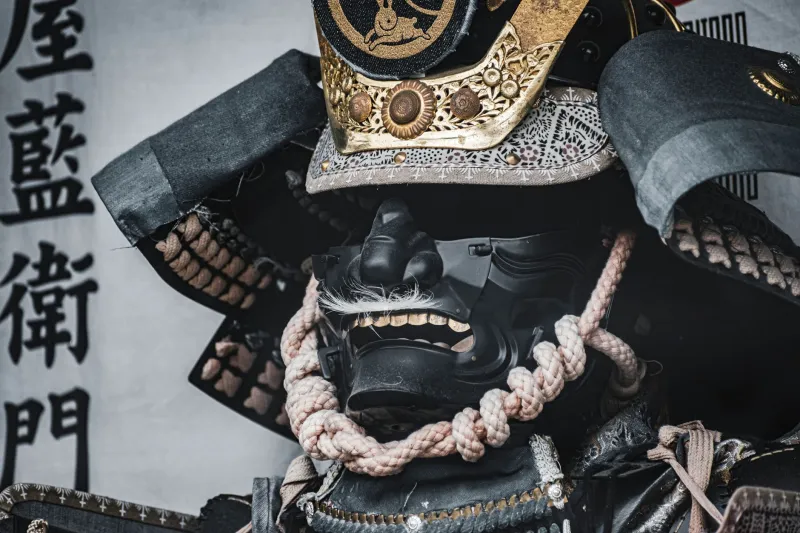
Steel, Silk, and Sorcery: How Samanosuke's Armor Told the Story of Onimusha's Creative Soul

Steel, Silk, and Sorcery: How Samanosuke's Armor Told the Story of Onimusha's Creative Soul

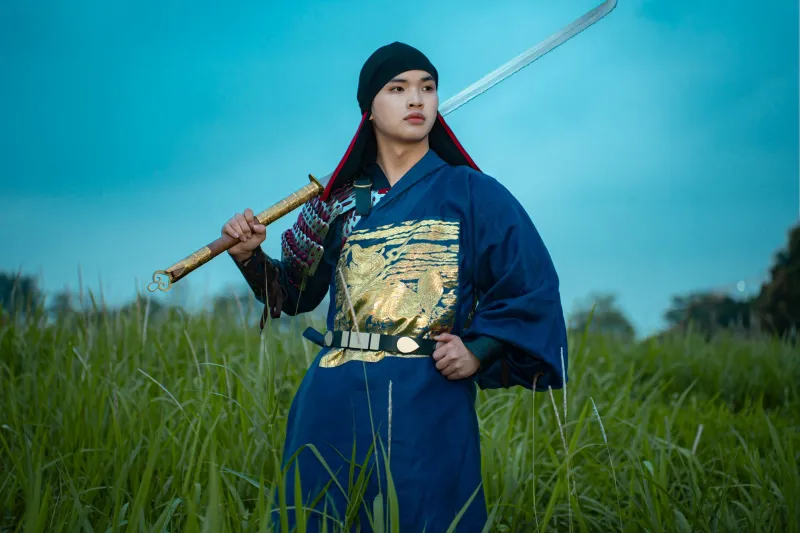
Samanosuke Akechi isn't just a samurai — he's a walking timeline of everything Capcom was thinking, feeling, and capable of building at each stage of the Onimusha franchise. From the blocky pre-rendered hero of 2001 to the sharper, more stylized warrior of later entries, his armor and overall look quietly told us where the series was headed before the gameplay ever did. This is the story behind the steel.

Glitches, Glory, and Sub-Hour Runs: Inside the Onimusha Speedrunning Scene

Glitches, Glory, and Sub-Hour Runs: Inside the Onimusha Speedrunning Scene

A dedicated group of competitive players has been tearing through the Onimusha franchise at blistering speeds, uncovering exploits and routing tricks that the original developers never anticipated. We went deep into the speedrunning community to find out what makes these 20-year-old games still so satisfying to break wide open in 2024.

From Genma to Gore: The Stunning Artistic Legacy of Onimusha's Demon Roster

From Genma to Gore: The Stunning Artistic Legacy of Onimusha's Demon Roster

Capcom didn't just make monsters for Onimusha — they built a visual language rooted in Japanese folklore, feudal dread, and cutting-edge PS2-era technology. Across four mainline entries, the demon roster grew more elaborate, more culturally rich, and more terrifying. Here's how those creatures became some of the most iconic enemy designs in action gaming history.